Showing posts with label Gear. Show all posts

Friday, March 27, 2020

Hot Logic Mini-Mac Personal Portable Oven


When Therese was diagnosed with Celiac, stopping at restaurants while traveling suddenly came to a halt. We needed a strategy in place so that she felt good about her food options, while at the same time, I could stop for a meal...after all, I didn't want to miss out on regional food opportunities!

So we looked around to see how we might heat up a frozen gluten-free meal while driving. We read some crazy things, like people baking potatoes or preparing meals using their car engines while on road trips (Google it, it's fascinating...Car-B-Que). But that wasn't for us. We ended up finding and buying the Hot Logic 16801060003 Mini-Mac Personal Portable Oven, which has worked nicely.

Here are our take aways:
  1. We purchased the one version with the AC power cable in the event that we ever wanted to use it when staying overnight in a microwave-less hotel or Airbnb and plug it into our car power inverter.
  2. If a meal is frozen solid, plan on 2.5 to 3 hrs. 
  3. If a meal is partially frozen, plan on around 2 hours. 
  4. Frozen burritos, especially small ones that are partially defrosted should be checked after 1.5 hrs.
  5. Do NOT puncture or break the seal of the meal container. We had one experience where the cellophane had come away from the edge of the container...this did not turn out well...
Keep in mind that this is a small unit and is appropriate for heating up one or two meals at a time.

Knox Electric Cooler (and Warmer)

I cannot say enough about this Knox Cooler  (model KN-CCW27QB). It is amazing and does the job.

We needed a cooler for a road trip, and since we were flying in and getting a rental car, our first thought was to get a cheap styrofoam cooler and toss it at the end of the trip. But that was inconsistent with our reuse/recycle beliefs.

After a lot of research, I settled on this cooler. Here's why:

  1. It included two power cables: one for the car and one for indoors.
  2. We would be able to take it home with us on the airplane as carry on luggage. It measures 13 x 17.2 x 18.4 inches and the airlines carryon limits are 9 inches x 14 inches x 22 inches.
  3. The reviews were good. There were some negative, but that most likely had to do with people not reading the directions.
  4. We could have it delivered to our hotel and the price was right.

A couple of notes...

  • We used this cooler during a 10-day road trip and not once did we did not eat out (pandemic + Celiac = self food prep).
  • Food was kept nicely cold. Some of the items we stored included 1/2 gallon of milk, 1/2 gallon of orange juice, a giant tub of yogurt (which we used all 10 days), almond milk, frozen dinners/burritos, bagged salad, boiled eggs, and so forth. For two people, it was the perfect size!
  • Before loading it up with food, we would pre-chill it for 20 minutes or so. For example, when staying in a hotel for the night, we would put the food into the refrigerator overnight; the next morning, we turned on the cooler prior to loading up our food. 
  • The fan is very quiet. But, I am a person who doesn't like to hear any noise at night, so I opted to use the hotel refrigerator. We did leave the food in the cooler plugged in one night and it worked great.
  • Since the cooler shuts off when the car is off, we had brought a quart sized freezer bag, filled it half way up and froze it each night so that we had a little piece of ice for the cooler. I don't know that this was necessary, but I liked not worrying about the food when we stopped to do something for a few hours. We also had one frozen meal in the cooler just about every day (more on this in our "oven" post)
  • Our experiences are based on a road trip in mid March, and the high temperatures were in the mid-70s. If it had been summer time, I would have moved the cooler to the trunk when we made stops, just to keep it out of a hot car.
  • The lid is heavy, so when it is empty, it is helpful to position it so that the lid is against a wall so that it doesn't accidentally get tipped over. 
  • We did not use the warming feature on this cooler.

Sunday, July 28, 2019

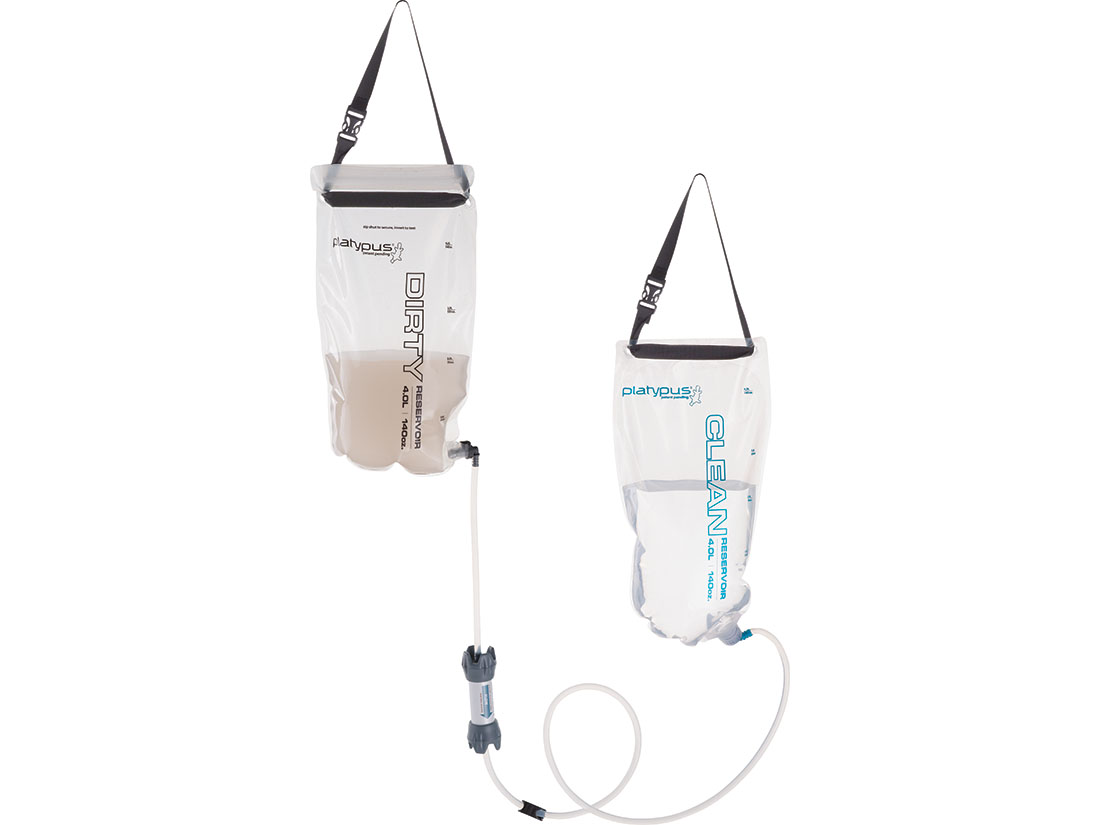
Water Filtration: GravityWorks 4.0L

When we bike or backpack, the last thing we want to do is to manually filter our water. We also believe that it is important that, as a group, we are not doubling up on various items.

About three years ago, we had done quite a bit of research on water filtration systems. We liked the gravity fed system (less work, more relaxation time) and decided to go with the Platypus GravityWorks 4.0L Water Filter System for use on our backpacking trip.

On that first trip, our system supported five of us and on some days, we were filtering between 20-40 liters of water. We have filtered all types of water: stream, lake, pond, and even brackish, all with the same result. Occasionally, things slow down a bit, but if we just follow the directions and back flow it, everything works fine.

We have used this system on each subsequent trip, following the manufacturer's purification instructions when we return home to ensure that it was clean and ready for storage.

Five stars all the way on this device!
Image from the Manufacturer


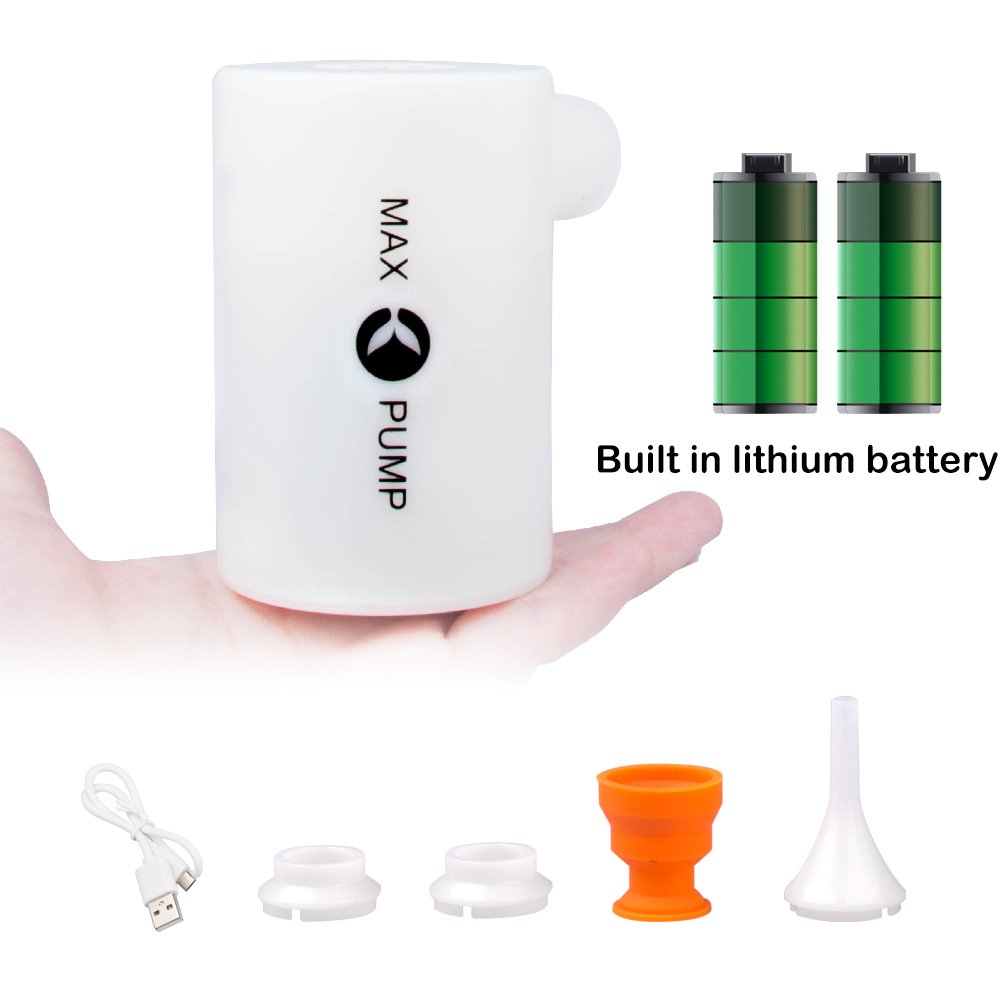
X-Lounger Portable Air Pump

My oh my. The X-Lounger Portable Air Pump is our newest luxury item to go on our adventures.

Remember, we are ultra lightweight backpackers...for example, our packs, with water weighed in at 21.5 lbs for a 7-day trip. So, when we opt for a "luxury item," it had better be worth its weight.

Manufacturer Claims

  • Weighs 4.7 ounces
  • Inflates your air mattress more than 20 times on a single charge.

What We Found

  • This little pump weighs in at 5.5 ounces, and that's without the attachments. 
  • We took the pump on a 60 mile backpacking trip as a luxury item...we pumped up 4 air mattresses 6 times each (24 uses) and there was no change in output over time.
Five stars all the way on this device!

Image from Amazon

Saturday, October 13, 2018

Maps & GPS

Maps, oh how I love thee!

I'm a confirmed map junkie. I love setting up my maps before the trip and enjoy archiving the final trip routes. And I take advantage of the data that others have posted online. For example, I imported the kml/kmz file containing drinking water and bathroom stops along the Katy Trail before our ride. 

Over the years, I've used various GPS devices and iPhones. Currently, I am using a Pixel 2, which I mainly use in airplane mode when bike/backpacking so that I don't have to worry about charging my phone during the day.

Apps: My Maps, Gaia GPS & Google Maps

Because I like Gaia GPS and My Maps for slightly different reasons, I export/import data as needed between the two apps and generally go back and forth between them during my adventures.

My Maps (mymaps.google.com)
For my initial trip planning, I create a custom map, populate it with a potential list of places we might visit, add notes regarding costs and hours, and customize the icons by type (e.g, water, campsite, museum). I like that I can have multiple layers, share with friends and family,  open a location in Google Maps for routing purposes during my trip, and most importantly, use it offline. Note that there is a limited number of layers.


Gaia GPS
My primary uses of this app are for knowing what's coming up (e.g, water, campsite) and tracking my whereabouts. I like having a log of where I have been, start and stop times, average moving speed, etc. to look back upon at the end of each day. So, when it's time to hit the trail, I start a new track, which is color coded and overlaid on the map.


Features I like:
  • Ability to select and download the map data (maps and coordinates) for your trip;
  • Multiple map options (e.g, topo, street) and sources;
  • Ability to easily import/export data;
  • You can add photos along the way that show up in your route as you take them;
  • Maps can easily be shared through social media; and
  • Print your own maps (this requires a subscription, which I generally turn on when planning for backpacking trips).
Features I don't like:
  • The online interface is not intuitive and frustrating to use. 
  • If you take photos within Gaia, they are trapped there. If you want copies, you have to download them one at a time. Hopefully this will change, but for now, I've stopped using the in-app camera feature, which is kind of a bummer because it is cool to view your pics where they were taken along the course of your trip.
Note that Gaia doesn't like to be in battery saving mode; but by having your phone in airplane mode, you will be able to conserve power.

Google Maps
Before leaving home, I use the offline maps feature of Google Maps to select rectangular regions and download the desired maps and associated data. It is great for navigating offline, because it is fast. However, at this time, bicycle routing is not available offline. Note that the maps will take up space on your device, but eventually expire and are removed unless you intervene.


Friday, October 12, 2018

Food

This is a pretty easy section to write...food! When we started backpacking, we decided there and then that we would be selecting really satisfying food that tasted great and was light weight. Seriously, we got a little crazy with repackaging things to save weight (we saved about 6 ounces just by repackaging).

Freeze Dried vs Dehydrated

Freeze dried food has almost all of the water removed and tastes exactly like it did when it was fresh. It doesn't require preservatives and is the lightest way to go. Dehydrated food doesn't have as much of the water removed, so it is heavier, and will not taste exactly as it did when it was fresh. When you buy either type, you should read the label carefully so that you know what you are getting in terms of preservatives/additives.

Fruits & Vegetables

Fruits and vegetables often gets overlooked on bike/backpacking trips because fresh things don't keep. On our bikes, we would stop by small stores to pick up fruit/veggies in addition to some of the freeze dried items we brought along. But backpacking is another story all together.

Tip: When you buy freeze dried food, you might be shocked when you weigh out an actual serving size. It's not that big because it hasn't been re-hydrated...we have found that for outdoor adventures, we double the serving size of fruits/veggies.

Costco for Fruits & Veggies: Our very favorite fruit and veggies come from Costco. We keep a good selection of these on hand in the event of an emergency, which is nice because when it is time for a trip, we just go out to the emergency stock and pick out what we want to take along. I've included the Costco item number because I know that these are excellent products.
  • Freeze-Dried Fruit Variety Bucket 300 Servings, Item #555340
  • Freeze-Dried Vegetable Variety Food Bucket 320 Servings, Item #555338
Tip: Put a little bit of freeze dried fruit into a sealed container (like the GSI Backpacker Mugs that we use) after breakfast for a nice mid-morning fruit break. The extra water is great tasting fruit juice: adjust the amount of water based on how much you want to drink.

Mountain House Meals: We have tried various meals, but have settled on Mountain House as our brand of choice. Every meal has been consistently good. Sometimes we eat our freeze dried veggies on the side, while other times, we mix them right into the meal.

One of the meals that we were not able to find locally is the Grilled Chicken Breast and Mashed Potatoes (ebay has the best prices), which we pair with green beans. Seriously, the chicken breast is so good that I'd serve it at home to guests. Do follow the cook time directions for the chicken breast; if you let it sit too long in the hot water, it will fall apart when you pull it out of the "cooking" bag.

Here are some of the other meals we've enjoyed:
  • Beef Stroganoff with Noodles
  • Chili Mac with Beef; we add freeze dried corn.
  • Spaghetti with Meat Sauce; we add freeze dried green beans.
  • Lasagna with Meat Sauce
  • Rice and Chicken (the order of the words in the title says a lot...as in not a lot of chicken); we add freeze dried cauliflower.
  • Biscuits and Gravy
  • Granola and Blueberries
  • Breakfast Skillet
  • Scrambled Eggs with Bacon
  • Scrambled Eggs with Ham, Red & Green Peppers
It is pretty tasty to add freeze dried potatoes to the breakfast meals...note that the potatoes need a lot of soaking time (a couple of hours).

Quaker Oatmeal: On the bikepacking trip, we did take these...a low cost breakfast option. But as the person who carried the food, I'll just say that I'm going to skip this next time. Too heavy and too sticky to clean up.

Thursday, October 11, 2018

Sleep System: Covers, Pad & Pillow

When we say "sleep system" we are talking about what it takes for us to sleep at night. In the old days, you'd probably say a sleeping bag and, if you were lucky, some kind of pad. After lots of research for our backpacking adventures, I ended up with a quilt and a Therm-a-Rest pad, both of which I love.

Enlightened Revelation Quilt: If you haven't heard of using a quilt for camping, the theory is that sleeping on top of down crushes it and basically ruins its ability to keep you warm. With a quilt, you are carrying about 75% of the material, so you save weight. I'll get extra geeky here...this weighs in at 18.46 ounces for the options I selected. I love that it is extra soft and luxurious, it has two bands to slip around a sleeping pad to hold it in place, and you can snug up the bottom if your feet are cold. There isn't anything that I do not like about it.

Therm-a-Rest NeoAir XLite Sleeping Pad: This pad is so comfortable that after I got home from a week of sleeping on it, I had to buy a new mattress. It is super light (12 ounces); at first it is a little on the crinkly sounding side, but with use, it is just fine.

Pillow: I really couldn't find a pillow option that I liked and didn't want to spend an arm and a leg. So for a while, I used this great stuffed frog that I found at Target in the baby section. It was a little heavy (6.72 ounces), but it was so very comfy and soft when you laid your face on it.

About a year ago, I started using a Bliss Pillow (made in Bend, Oregon and filled with millet hulls) at home. It's a tiny little thing, but so very comfortable for the neck, back, and head. And then about a month ago or so, we received a Sierra Designs DriDown pillow (4.4 ounces, including the stuff sack) in our Cairn box. It's about the same size as my Bliss Pillow, so I thought I'd give it a try on our Katy Trail backpacking trip. It worked out quite well and I'm sorry to say that the old frog will get left behind on the next trip.

Stove, Dishes & Utensils

Primus Eta Express Stove: When we started looking for stoves, we wanted something that would work well in the wind. After reading the reviews, we settled on the Primus Eta Express Stove. We've used this now for several years and have had nothing but great experiences. The pot holds just over four cups of water and boils (as advertised) in just over two minutes. Every time. I believe the reason for this is because of the amazing windshield and how the heat is transferred to the specialized pot.

When camping with friends, this stove always outperforms and in fact we generally end up boiling the first coffee water for everyone. In addition to being fast, it is fuel efficient. On a five night backpacking trip our daily use consisted of boiling water for coffee (2 x day), dishes (2 x day), cooking breakfast and dinner. We still had about a third of canister of fuel left.

We paid just over $40 for the stove (found it on clearance on REI for about $80 and then applied our annual rewards). This stove has been upgraded to a new version, although we don't know how it could be made better!

Dishes: We use the pot and bowl that came with the stove. This has been sufficient for our travels. Sometimes, as a splurge, we just cut down a large yogurt container to bowl size.. Lightweight and durable.

Coffee Cups: GSI Backpacker Mug! This thing is amazing. Things we have done with this mug:

  • Rehydrating freeze dried fruit. We just put a little fruit and water in it, seal it up and put it in our backpack pockets for a mid-morning snack. Great fruit and terrific fruit juice.
  • Coffee. This sounds obvious, but it is great for drinking coffee on my bike! I just put the coffee in the cup and hang it on my handlebar until I'm read for a sip. 
  • Measuring Cup: We mark off measurements for .5, 1, 1.5 and 2 cups for our freeze dried dinner prep.
  • Bowl: Sometimes we do want an extra bowl for our meals.
Silverware: REI Co-op Campware Long Spoon and Spork. I use the spoon and LOVE the long handle for cooking. The spoon is great for everything except the freeze dried chicken breast that we like to have for dinner. Therese likes her spork, but I find it cumbersome to use.

Wednesday, October 10, 2018

Bike Accessories

TaoTronics Phone Mount: The most important bike accessory that I own is my phone mount. I've had several of them over the years, but really like my current TaoTronics mount because it just grips the phone so well and it can be used with various phones.
My phone has never come loose, regardless of the the trail conditions. It does have some extra little rubber band things for additional security, but like the reviews I read before buying it, I found that they are not really needed. The Weiser River Trail was so bumpy that I thought I should use them, however, one of them snapped part way through the trip and I didn't notice a difference in how 

Cupholder, Horn/Light, Phone Mount
Huffy Bicycle Beverage Holder & Bell Combo Kit: I picked this up on clearance for about $5 before our Weiser River Trail trip. We figured that since Idaho is an open container state, it would be fun to buy a beer one day at the end of our ride and carry it back to camp on our bikes. However, this has been used mostly for cold sodas!

Things to keep in mind:
  • The screws tend to rattle loose, so you have to keep an eye on them and make sure they are tight.
  • If the bottle is too small, it rattles around and drives me crazy! When this happens, I just tuck my bandanna or a paper towel in there and the problem is resolved.
  • The bell is heavy (so heavy that I have never even considered using it).
Orp Light/Horn: This was a luxury purchase a few years ago when it was on Kickstarter and is described as a "dual-decibel bike horn and front beacon light." I like the idea of this device, but it hasn't been 100% for me. Here are my experiences...
  • Horn: I like that it has two different sounds. One gentle when you just need to pass someone and the other abrasive to get someone's attention. 
  • Rechargeable: LOVE that it doesn't have batteries.
  • Fit: It isn't a tight fit on my handlebars, so if I am lazy when I put it back on after charging, it is hard to operate the horn because it slips around. It comes with a little rubber sleeve that you can use so that it fits nice and snug. It only slips when I'm lazy. :-)
  • Brightness: This light is great for letting a car know you are there (it has that annoying but effective blinking feature), but it isn't really helpful for night or tunnel riding. We rode through the 3/4 mile Elroy-Sparta tunnel this week and it just didn't cut it. In fact, I really had to depend on Therese and her light to illuminate the way. 
Huffy Handlebar Cooler Bag with Smartphone Pocket: Another $5 clearance find. What I like:
  • The phone pocket is great for my route notes; 
  • Love the side mesh pockets for easy access to Wet Ones and Halt Dog Spray; and
  • It's insulated so my various snacks don't get melty.
What could be better: the velcro/buckles on this bag are a little substandard, but for $5, what can you expect?

Power: Anker PowerCore

On past backpacking trips, I have been able to charge my phone using my Anker 15W Dual USB Solar Charger, which I just attached to my backpack during the day.

This past Christmas, my nephew gave me this awesome Anker PowerCore 20100 (model A1271) battery, which is way too heavy for backpacking, but for road or bike trips, it's pretty great. We tested it out at home and were able to charge our phones for three days (iPhone and Pixel 2). Note that you have to have a power block to plug into...it only comes with a USB cable for charging.

This was my "luxury item" on the Katy Trail bikebacking trip and it worked like a charm. Note that it was propped up pretty precariously at one of the picnic shelters and took a dive, but aside from a few scratches, it is working perfectly.

Two phones can be charged simultaneously.

Panniers


We both ride Dahon 7-speed folding bikes. Even though these are "small wheels" we have found that standard panniers work with them.

In this photo, you see Therese with her panniers with a blue pack on top. This summer, we received this blue Cotopaxi day pack in our Cairn box. We thought we might use it for an off bike excursion, but this never happened. What it was great for was for carrying the tent, trekking poles, jackets and misc items we wanted quick access to during the day. Yes, we could just strap the tent and poles on top, but it was really nice to have a very lightweight catch all.

As for her panniers, they are made by Topeak and are actually dry bags. In general, they held a pillow, quilt, air mattress, off bike clothes, second set of bike clothes, jacket, hat, bath items and mini towel.


I used the ArcEnCiel panniers and really liked them because I was able to leave the two side bags (which are a single unit) attached to my bike the entire trip. They held my pillow, quilt, air mattress, off bike clothes, second set of bike clothes, jacket, hat, battery, bath items/towel.

The bag on top had four buckles that were quick and easy to undo and also doubled as a way to attach my spare shoes. The top bag was really roomy and held our stove and food for five nights of camping. There was also a strap that I could attach to the top bag; although it was bit clunky, I was actually able to carry the whole setup over my shoulder. This was really helpful when boarding the train.


My bags are water resistant and did come with a cover, but it would be unwieldy to ride with them covered on this particular bike. So, when there is a threat of serious rain, we do reconfigure things a bit to make sure that nothing really important gets wet. That said, we did have a little moisture, but my bags did just fine and nothing inside was wet.

Tent

When we were researching a tent for backpacking, we were looking for the lightest tent we could find. After all, we are fifty-somethings!

We ended up with the Tarptent Double Rainbow, which has taken a little getting used to, but we really, really like it. Our favorite features include:
  • Doors on BOTH sides,
  • The ability to set it up without stakes (very handy when setting up under a picnic shelter), and
  • There are many ways to configure the vestibule flaps using poles or extra lines.
A couple of things to note:
  1. There is no rain fly. This is a single-walled tent, which means that there is a potential for condensation. If you follow a couple of guidelines for tent placement/setup, you can minimize this risk. 
  2. Keep the air flowing. At first, we would set it up so that there was as little outside air coming in as possible, thinking this was the best was to "keep warm." Wrong. This contributes to condensation.
  3. Location, location, location. Stay away from grassy meadows and water. Camp under a tree. If there's wind, be aware of how you orient the tent to minimize dust. 
In the photo below, our tent is under a tree on some pretty meager grass. It was very hot and muggy on this October day (the low for the day was in the 70s). We wanted to have some privacy at night but also wanted good airflow, so we used our trekking poles to hold up the flaps.


Tarpent Double Rainbow in Hermann, Missouri

Tuesday, September 18, 2018

Gearing Up: Our Dahon Folding Bicycles

On our upcoming Katy Trail adventure, we will be riding our Dahon D7 folding bicycles — I ride this flashy orange model and T rides the silver Mariner — both have seven gears. For some reason, people seem to think that these are for commuting around town...but they are actually pretty awesome for long distance riding. Although these are rated as "street" bikes, we have ridden them on gravel rails to trails with no problems.

Riding the Weiser River Trail in Idaho last May (2018), I think I spent most of the trip in gears 1-3. It was a fantastic experience, with our total miles around 180 or so. Most of the gravel was pretty thin, though there were areas where there were rocks on the trail and in some spots cattle had crossed the trail, which made for an incredibly bumpy ride (think dried mud with hoof indentations). We rode north first (uphill); on our way back we pretty much had a headwind, so we pedaled just about the entire time.

We were self contained, carrying all of our camping gear, though we did splurge for a night in a bed and breakfast along the way.


Friday, July 28, 2017

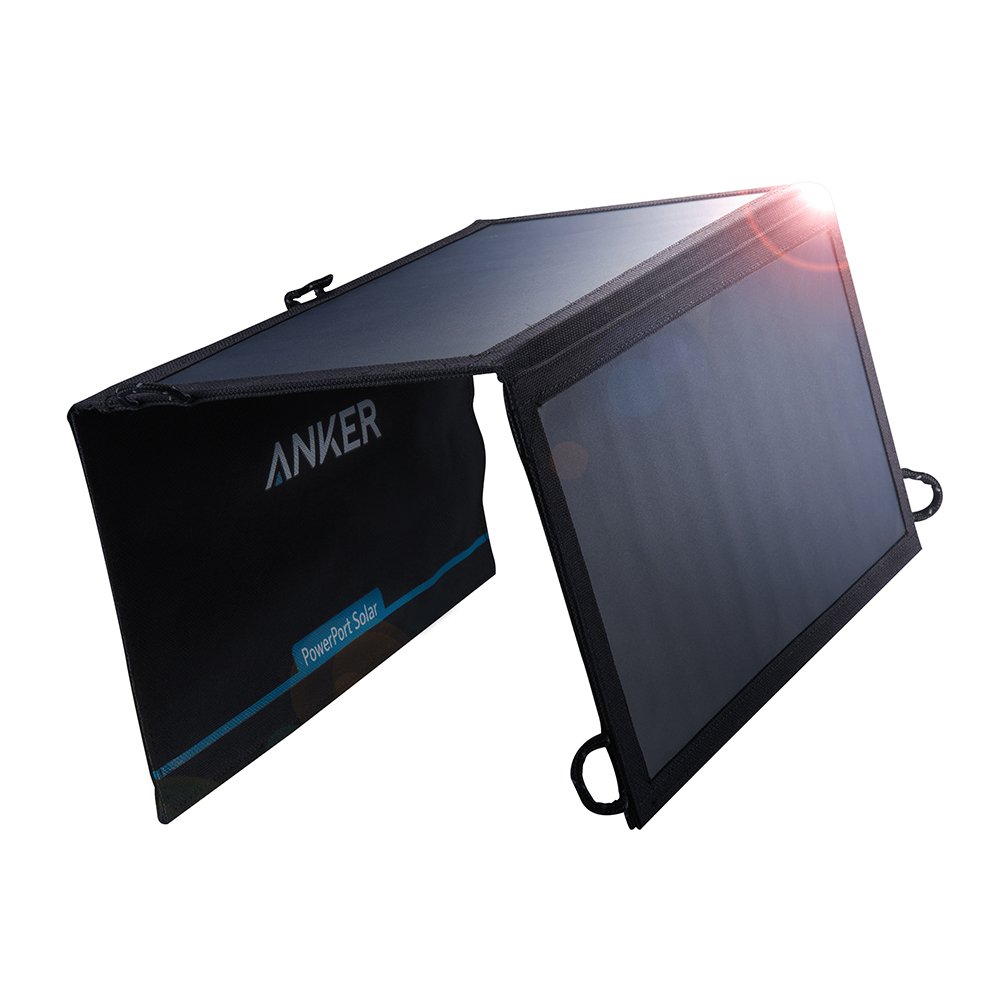
Solar Power: Anker 15W Dual USB Solar Charger

Part of the joy of our trips is documenting where we go using the Gaia GPS app. But, this requires that our iPhones be on all day long. The app warns that if you are in low battery mode, it may not work properly. The solution? Charge on the go.

So I did some reading and settled on the Anker 15W Dual USB Solar Charger, which was available through Amazon. I ordered it, and took it on my first trip only to find that it did not work. Not one to mess around, I returned it and indicated that I did not want a replacement.

Would you believe that a couple of weeks later, Anker contacted me and offered to send me one for free if I was interested? I said yes, it arrived, and it went on our backpacking trip to the Ruby Mountains in Nevada.

Remember, we are ultra lightweight backpackers...for example, our packs, with water weighed in at 21.5 lbs for a 7-day trip. So, when we opt for a "luxury item," it had better be worth its weight.

The Anker weighed in at a whopping 13.9 ounces, but did exactly what I needed. I simply kept it attached to the top of my pack and plugged into my phone as we hiked each day. I was able to take all of the photos I wanted and save our tracks on Gaia GPS.

Note: I always keep it in airplane mode because searching for a signal in remote areas drains the battery.

Five stars all the way on this device!

Update: My Pixel 2 would not charge with this solar charger. 
Image from Amazon